


Inside Heroes
vol.3

A Broadcaster’s Challenge: Documentary as Spatial Experience
A Message to Our Visitors
At the Themed Pavilion, the photographs of plants you have nurtured from Seed Paper® will come together to form the symbolic Tree of Hope, bringing the exhibition vividly to life.
To grow a plant, to photograph it, and to share its image—each of these simple acts becomes part of a larger collective creation. Your participation is not separate from GREEN×EXPO 2027; it is one of the elements that make the Expo possible.
We invite you to step into this space not only as a visitor, but as a contributor to its unfolding story. Along the way, the unique relationship that develops between you and the plant you nurture may become a small documentary of its own—a personal narrative of growth, care, and discovery.
Together, these countless individual stories will weave into a shared vision: a landscape for tomorrow, created through the pursuit of happiness and a renewed connection with the living world.
A Visual Journey Connecting Two World Expositions
— Could you tell us about your career path and how it led you here?
Uchida:
After graduating from university, I joined a film production company, where I worked on a wide range of visual media, including commercials, educational films, and television programs.
Being involved in every stage of production—from concept development to execution—gradually strengthened my desire to learn the craft of documentary filmmaking from the ground up. At the age of thirty, I enrolled in a graduate program in the United States to pursue that goal.
Upon returning to Japan, I joined my current company, where I have devoted more than 25 years to creating television documentaries and factual programming.
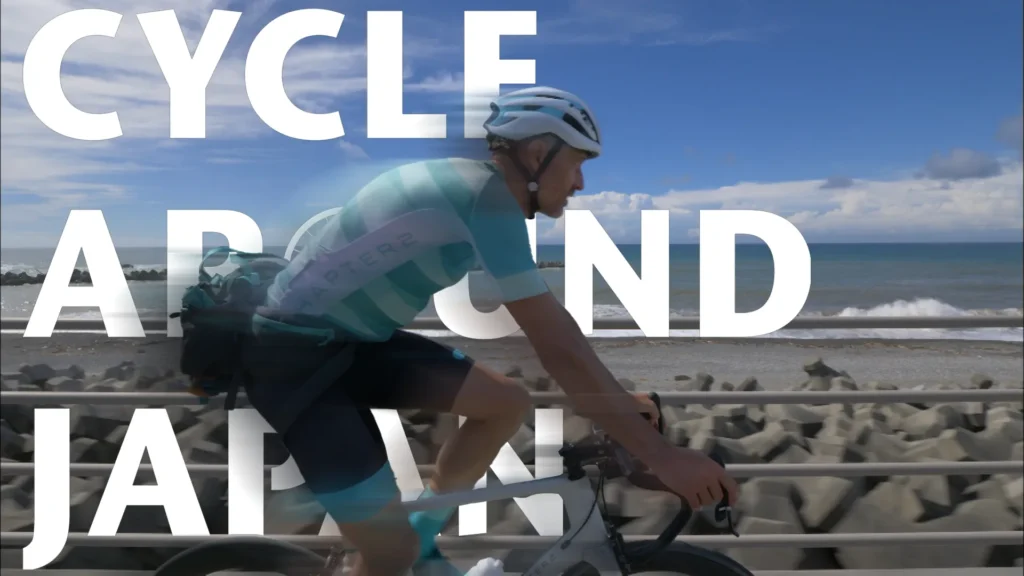
Among the projects I have worked on, the one closest to my heart is CYCLE AROUND JAPAN, a program I launched for NHK WORLD-JAPAN, Japan’s international broadcasting service.
The series follows cyclists from around the world as they travel across Japan by bicycle, revealing landscapes, encounters, and stories that can only be experienced at the pace of human movement. Through these journeys, viewers discover not only the beauty of the country but also the warmth and character of its people.
This unhurried, human-scale approach to travel has resonated deeply with audiences around the world. What began as a new experiment has since grown into a long-running and widely acclaimed series, now entering its twelfth year.
— How did you feel when you were invited to join GREEN×EXPO 2027?
Uchida:
This year, I turn sixty-five, and I suspect this project will be one of the final major challenges of my career.
Looking back, the last exposition-related project I worked on at my previous company was EXPO ’90, the International Garden and Greenery Exposition in Osaka.
More than three decades later, I find myself once again involved in a world exposition. There is something profoundly meaningful about that unexpected connection across time.
At the same time, this project has presented me with an entirely new set of challenges.
Television programs, by their nature, are broadcast and then pass into memory. An exhibition at the Themed Pavilion, however, remains in place for six months, continuously encountered by new audiences.
The language of expression is fundamentally different as well. Here, I cannot rely on narration, captions, or explanatory text to guide the viewer.
Instead, the challenge is to create a space where visitors can move at their own pace, discovering meaning through experience rather than instruction. It is a form of storytelling that unfolds through presence, atmosphere, and personal encounter.
The responsibility is considerable, but so is the opportunity. As a storyteller, I hope to bring together everything I have learned over the course of my career and transform it into a new kind of documentary—one that is experienced not on a screen, but within a space.
The Tree of Hope: Grown Together
— What kind of exhibition are you hoping to create at the Themed Pavilion?
Uchida:
One of the frameworks used to assess the Earth’s environmental stability is the concept of Planetary Boundaries, which identifies the limits within which humanity can safely operate. According to this framework, seven of the nine boundaries have already been exceeded. In other words, our planet is facing an environmental crisis of unprecedented scale.
Precisely because GREEN×EXPO 2027 is being held at such a critical moment, we felt that those who come to the Themed Pavilion should be welcomed not simply as visitors, but as participants—people who can join us in imagining and shaping the future of our planet.
It was during these discussions that Director Sugiyama, who oversees the Themed Pavilion, introduced me to Seed Paper®. From that conversation emerged the idea for a participatory project: visitors would take home paper embedded with plant seeds, nurture the seedlings as they grow, photograph the process, and share their images with us.
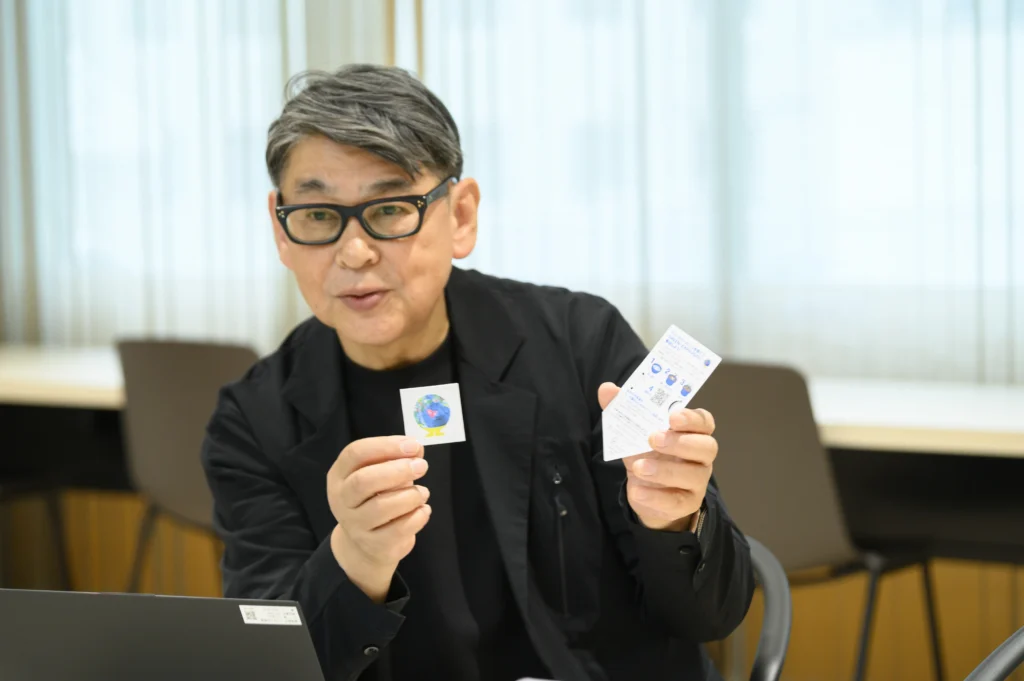
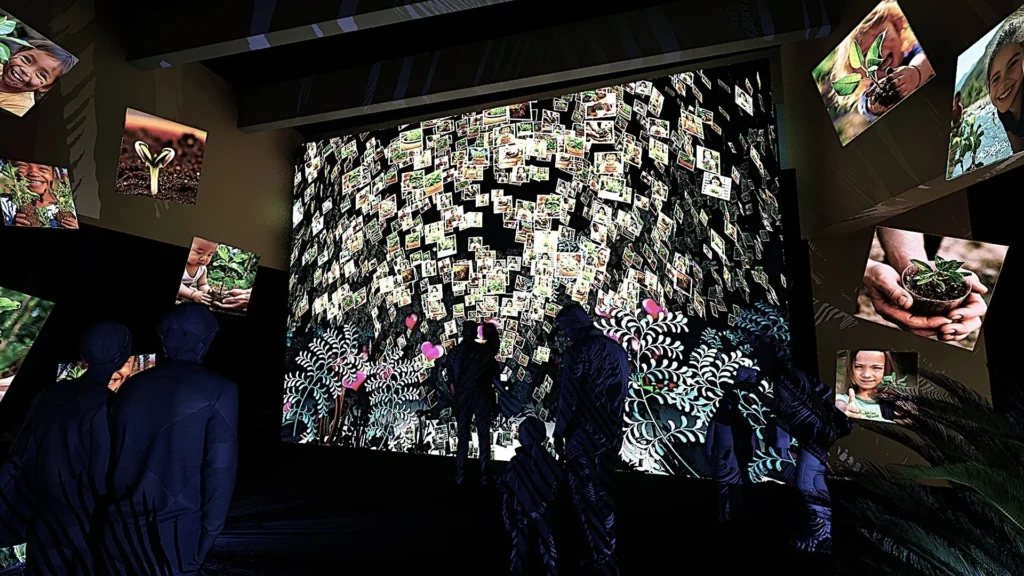
We have no intention of standing on a podium and telling people to “save the environment”. What we hope to offer instead is something far more personal: the experience of nurturing a plant with your own hands—watering it each day and watching it bloom.
Our hope is that this simple act of caring for a living thing will become a first step toward seeing the future of our planet as something personal and tangible, rather than distant and abstract.
— It seems that Seed Paper® itself carries a deeper message.
Uchida:
Indeed, the very concept of Seed Paper® embodies “the idea of giving new life to something that has fulfilled its original purpose”.
The paper is made from shredded waste materials provided by companies and organizations participating in the Expo. These materials are reborn through the hands of traditional Japanese papermakers, who carefully embed seeds into handmade paper. The subsequent processes—printing, cutting, and assembly—are carried out by people with disabilities.
In this way, the project supports the continuation of traditional craftsmanship, creates meaningful employment opportunities, and ultimately returns to the earth after blooming into flowers. From beginning to end, it is a cycle of renewal. That cycle is, in many ways, a microcosm of the Circular Economy (a regenerative, resource-circulating economy) we seek to express through the Themed Pavilion.
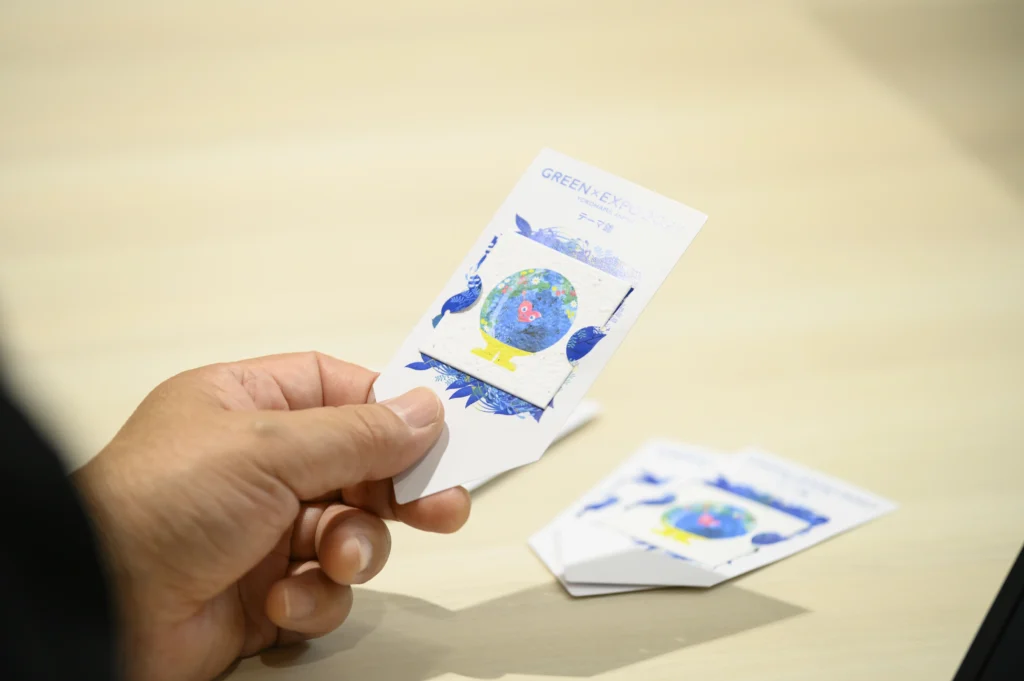
I hope that this small sheet of Seed Paper®, entrusted to your care, will find a place in your daily life—bringing moments of wonder and joy, and nurturing a deeper connection with the living world as it grows.
NHK Global Media Services, Inc. Producer
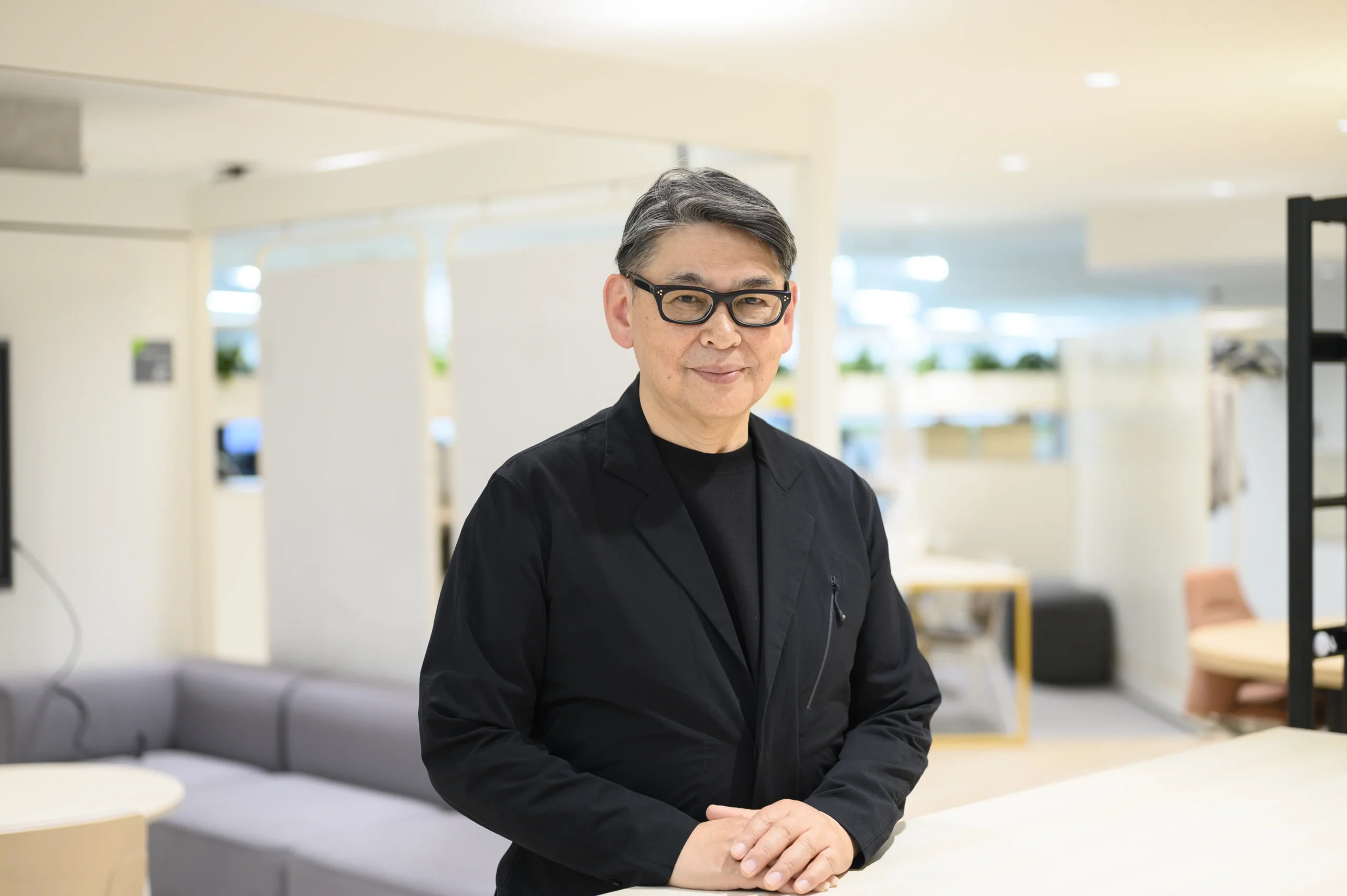
Akihiko Uchida
Joining NHK in 1993, Akihiko Uchida has spent more than three decades producing a wide range of documentary and current affairs programs. In 2014, he launched CYCLE AROUND JAPAN for NHK WORLD-JAPAN, a travel documentary series that explores the landscapes, culture, and people of Japan through the perspective of cycling journeys.
For the Themed Pavilion of GREEN×EXPO 2027, Uchida is responsible for planning and producing an immersive exhibition exploring the relationship between plants and humanity.
As the culmination of a distinguished career in documentary storytelling, he is now taking on a new creative challenge: translating the language of television into the medium of exhibition, crafting an experience felt not only through the eyes but through the entire body.